Vegetable01
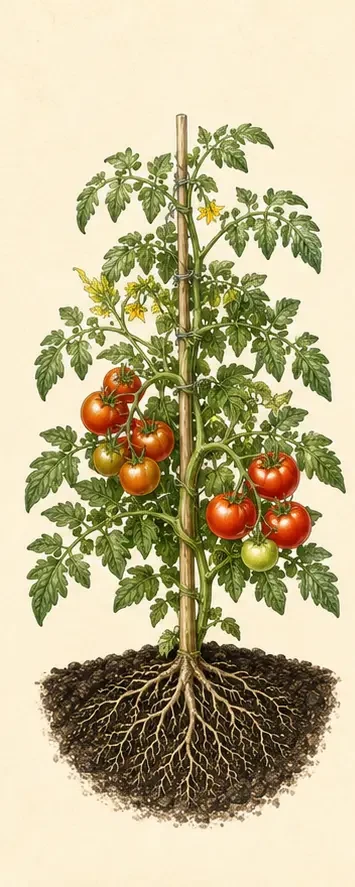
Tomato
Solanum lycopersicum
A warm-season favorite that rewards steady watering, strong support, and enough sun.
- Light
- Full sun
- Harvest
- 60–90 days
- Level
- Beginner
A practical growing guide
Turn your location, season, space, and experience into a garden plan built for real life.
Start with reliable sunlight and a space you can visit often. Everything else becomes easier to adjust.
One plan, every view
Quick Planner
Seven practical inputs create a real starting layout. No live weather or location lookup is implied.
Restoring the active planning session…
Choose the conditions you actually have. If sunlight or space does not support a requested plant, the result will explain the conflict instead of quietly changing your answer.
Choose the question
Gardening guidance becomes useful when it helps you make the next decision. Start with the job in front of you.
Seven decisions before the first plant
Match plants to light, space, and time
Turn dimensions into a workable layout
Build from your own frost dates
Start with symptoms, not assumptions
Follow the season without rigid rules
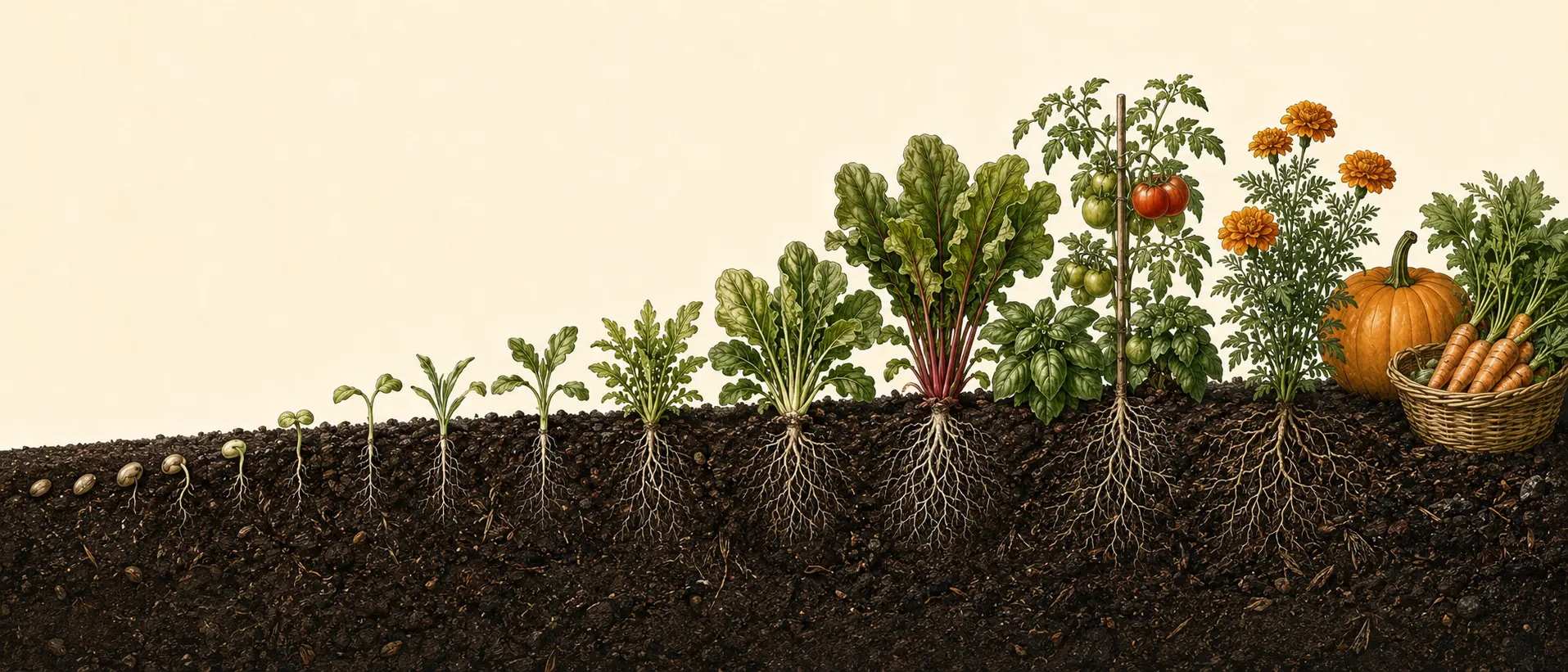
452 plant guides · 1,200 planning profiles
Search by common or botanical name, then find true varieties and growing setups inside one plant guide. Use the planner when a container, landscape, hydroponic, harvest, or cultivar profile changes the space it needs.
Browse the plant guides →Solanum lycopersicum
A warm-season favorite that rewards steady watering, strong support, and enough sun.
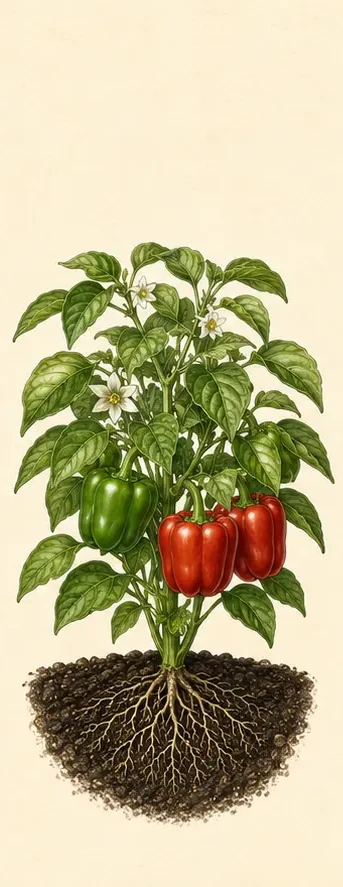
Capsicum annuum
A heat-loving crop that grows well in beds or containers when the soil stays warm.
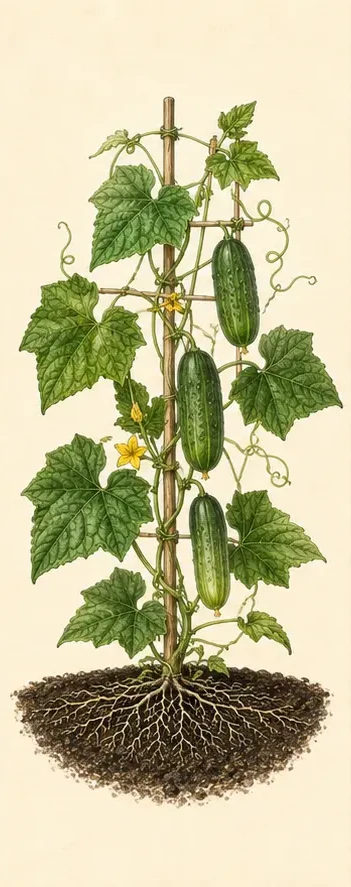
Cucumis sativus
A fast, productive vine that benefits from trellising, pollinators, and frequent harvesting.
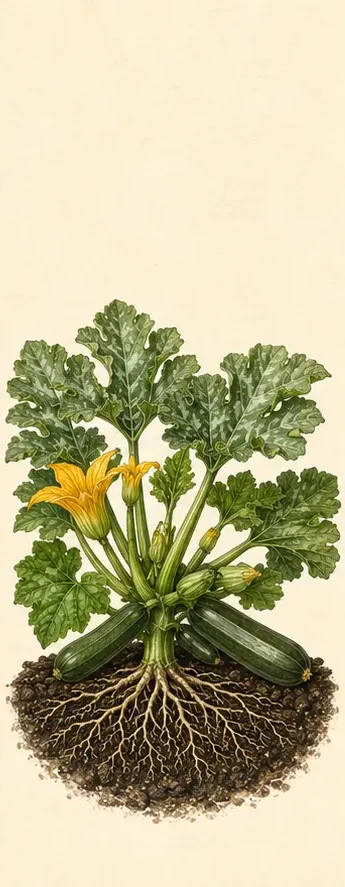
Cucurbita pepo
A generous summer squash for gardeners who can spare a wide patch of warm, fertile soil.
Planning instruments
Sketch a workable bed from real dimensions.
Open tool →02Filter by light, space, level, and crop type.
Open tool →03Build timing around your own frost dates.
Open tool →04Use conditions and root checks, not a rigid schedule.
Open tool →05Bring a question or photo for plant, bug, health, clipping, watering, support, or nearby-planting help.
Ask a question →The first season manual
Make seven decisions before buying plants so the garden fits your light, space, time, and appetite.
Use sunlight, water, drainage, convenience, and nearby competition to identify the strongest practical site.
Translate shifting light into full-sun, part-sun, and shade decisions without relying on one observation.
Improve structure and drainage first, then use a soil test to make targeted fertility decisions.
Choose dimensions you can reach, safe materials, an appropriate mix, and a clear watering plan.
The gardening.how standard
Growing guidance varies with weather, soil, cultivar, and place. We show the reasoning, the uncertainty, and the sources behind recommendations.
Read our editorial standards →